

Coffee beans ranked by caffeine strength in 2026
Best overall for an everyday cup: Arabica. Best for higher caffeine: Robusta. Best for the lowest caffeine: decaf. This 2026 guide to coffee beans ranked by caffeine strength compares bean categories, explains their limits, and helps you choose without confusing a dark roast with a stronger caffeine dose.
- Coffee beans ranked by caffeine strength generally run from Robusta through Arabica to decaf; blends depend on their composition.
- Choose Arabica for everyday brewing, Robusta for higher caffeine, and decaf when reducing caffeine is your priority.
- Roast color and bitter flavor do not establish caffeine content; serving size and brewing recipe matter.
- Cinder and Cedar Coffee Roasters offers roasted coffee for home drinkers; choose by taste rather than an unverified caffeine ranking.
Why this matters
Strong flavor is not a caffeine measurement. A dark, bitter cup can taste more forceful than a light roast without delivering more caffeine. Bean species, the amount of coffee you use, extraction, and the portion you drink all affect the result.
Cinder and Cedar Coffee Roasters sells blends, flavored coffee, and single-origin coffee for home brewing. Those descriptions help you choose your daily cup, but they do not establish a caffeine order among individual bags.
For your 2026 coffee routine, separate two decisions: the flavor you enjoy and the caffeine level you want. This guide ranks categories by their general caffeine tendency, not individual products by laboratory measurements. The distinction keeps a useful buying guide from becoming a misleading promise.
What makes the best coffee beans for your caffeine preference?
Use these criteria before choosing a bag. A caffeine-focused purchase needs more than a bold name or a dark roast label.
- Bean species: Robusta generally contains more caffeine than Arabica. An identified species is more useful than a description such as strong or intense.
- Blend composition: A Robusta–Arabica blend depends on its proportions. The word blend alone tells you nothing about caffeine strength.
- Decaf status: Decaffeination reduces caffeine, but decaf is not caffeine-free. Choose it for reduction rather than complete avoidance.
- Measured serving: Compare caffeine per prepared serving when reliable figures exist. A bean description is not a measurement of your finished cup.
- Brewing consistency: Keep your coffee dose, water amount, and serving size consistent when comparing options. Changing the recipe changes the comparison.
- Everyday fit: Choose flavor, body, grind format, and preparation that suit your routine. Higher caffeine does not automatically make a coffee better.
Coffee beans ranked by caffeine strength at a glance
The table follows a general high-to-low order. Blend proportions and preparation can change the order of neighboring categories, so treat it as a buying framework rather than a precise caffeine ladder.
| Rank and option | Best for | Standout feature | Key limitation |
|---|---|---|---|
| 1. Robusta | Higher caffeine from bean choice | Generally higher caffeine than Arabica | Species alone does not establish caffeine per cup |
| 2. Robusta–Arabica blend | Combining higher-caffeine beans with Arabica | Combines the two species | Unknown proportions prevent a precise ranking |
| 3. Arabica | An everyday coffee chosen around taste | Generally lower caffeine than Robusta | Still caffeinated; roast names do not quantify it |
| 4. Half-caf blend | Reducing caffeine while keeping some regular coffee | Mixes regular and decaffeinated coffee | The name does not guarantee an exact dose per serving |
| 5. Decaf | The lowest-caffeine choice among these categories | Coffee with much of its caffeine removed | Retains some caffeine |
For 2026 shopping, choose by species or decaf status first and roast preference second. A dark Arabica roast does not move above Robusta simply because it tastes stronger.
1. Robusta: best coffee beans for higher caffeine
Robusta, the common name for Coffea canephora, generally contains more caffeine than Arabica. It is the clearest starting point when your priority is a higher-caffeine bean rather than a darker-tasting cup.
That does not give every Robusta coffee the same caffeine content. Your prepared serving still depends on the coffee dose and brewing method, and a product needs its own reliable measurement before you can assign a caffeine figure.
Robusta pros:
- Generally higher caffeine than Arabica.
- Species provides a clearer buying signal than roast color.
- Suits a search specifically focused on higher-caffeine beans.
Robusta cons:
- Higher caffeine is a disadvantage when you want to reduce intake.
- A species label does not tell you the dose in your mug.
- You still need to assess whether you enjoy the flavor.
Best for: Home drinkers deliberately choosing a higher-caffeine bean category.
Verdict: Buy Robusta when higher caffeine is the goal; skip it when caffeine reduction matters more.
2. Robusta–Arabica blend: best coffee beans for a mixed-species option
A Robusta–Arabica blend combines the two main commercial coffee species. Its caffeine tendency depends on the proportion of each species, not simply on the fact that it is a blend.
This category belongs between pure Robusta and pure Arabica as a general guide when other variables are comparable. Without the blend composition, you cannot confidently position one bag against another.
Robusta–Arabica blend pros:
- Combines higher-caffeine Robusta with Arabica.
- Gives you a mixed-species alternative to either species alone.
- A disclosed composition makes the blend easier to evaluate.
Robusta–Arabica blend cons:
- Unspecified proportions make caffeine comparisons uncertain.
- An espresso blend label does not establish that Robusta is included.
- Flavor descriptions cannot substitute for caffeine measurements.
Best for: Drinkers who want a mixed-species coffee and can confirm its composition.
Verdict: Buy a Robusta–Arabica blend for its stated composition; hold off on caffeine claims when the proportions are unknown.
3. Arabica: best coffee beans for an everyday cup
Arabica, or Coffea arabica, generally contains less caffeine than Robusta. It is the default choice here for an everyday cup when taste and brewing routine matter more than maximizing caffeine.
Choose an Arabica coffee by the roast and flavor description you enjoy. Single-origin, flavored, and blend labels describe different aspects of coffee; none independently proves that a bag has more or less caffeine.
Arabica pros:
- Generally lower caffeine than Robusta.
- Lets you choose around everyday flavor preferences.
- Species gives a meaningful starting point for caffeine comparisons.
Arabica cons:
- Remains a caffeinated coffee, not a caffeine-reduction substitute for decaf.
- Origin and roast level do not establish a precise caffeine dose.
- A large or concentrated serving can still deliver substantial caffeine.
Best for: Home drinkers choosing regular coffee around taste rather than maximum caffeine.
Verdict: Buy Arabica as the everyday default; choose decaf instead when your main goal is lower caffeine.
4. Half-caf blend: best coffee beans for a step down from regular coffee
Half-caf mixes regular coffee with decaffeinated coffee. It gives you an intermediate choice when you want less caffeine without switching entirely to decaf.
Do not interpret the name as a guaranteed caffeine measurement. The regular component, decaf component, blending method, and prepared serving all matter.
Half-caf blend pros:
- Offers a practical middle ground between regular coffee and decaf.
- Keeps some regular coffee in your brewing routine.
- Lets you reduce the caffeinated portion without abandoning coffee.
Half-caf blend cons:
- Does not guarantee an exact caffeine reduction in your finished cup.
- Retains caffeine from both the regular and decaf components.
- Requires care when you are tracking a specific intake limit.
Best for: Drinkers reducing caffeine who still want some regular coffee in the mix.
Verdict: Buy half-caf for a step down; skip it if you need the lowest-caffeine option on this list.
5. Decaf: best coffee beans for the lowest caffeine
Decaf is coffee that has undergone a caffeine-removal process. It is the lowest-caffeine category in this guide, but it still contains some caffeine.
The FDA's consumer guidance gives a typical range of 2–15 mg of caffeine in an 8-fluid-ounce cup of decaf coffee. That range describes a category, not a verified amount for any particular bag or home recipe.
Decaf pros:
- Contains substantially less caffeine than regular coffee.
- Keeps coffee in your routine while reducing caffeine intake.
- Provides the clearest low-caffeine category choice in this ranking.
Decaf cons:
- Is not caffeine-free.
- Requires product-specific information for an exact serving amount.
- Still needs a roast and flavor profile you enjoy.
Best for: Home drinkers whose first priority is reducing caffeine.
Verdict: Buy decaf for the lowest-caffeine choice here; skip the assumption that it contains none.
How to make the ranking useful in your kitchen
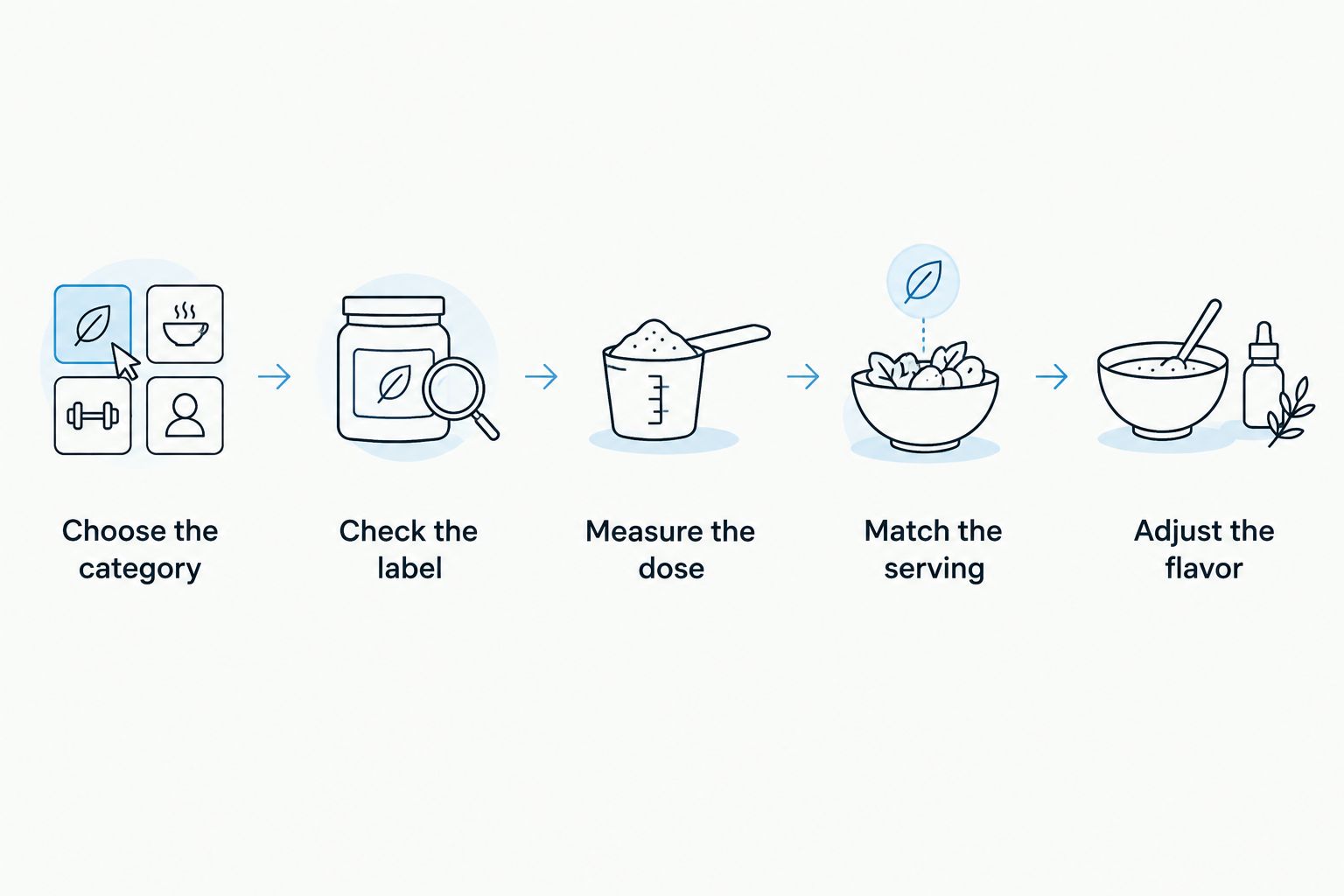
A bean ranking becomes useful only when your brewing routine stays comparable. For your 2026 routine, follow this sequence instead of judging caffeine by how dark the coffee looks.
Choose the category
Start with your goal: higher caffeine, everyday regular coffee, or caffeine reduction. That points you toward Robusta, Arabica, or decaf before flavor and roast enter the decision.
Check the label
Look for species, blend composition, or decaf status. Treat origin names and tasting notes as flavor information unless the seller also supplies caffeine measurements.
Measure the dose
Use a scale to keep the amount of ground coffee consistent. Scoops introduce another variable because different beans and roast levels do not pack identically into the same volume.
Match the serving
Compare the portion you actually drink, not just the brewing method. A small concentrated coffee and a large mug cannot be ranked sensibly without considering their total caffeine.
Adjust the flavor
Once the category and recipe are settled, choose roast and flavor around your preferences. The guide to medium-roast coffee beans addresses that separate taste decision.
What caffeine numbers actually tell you
In 2026, the FDA's consumer guidance provides useful context: regular brewed coffee typically contains 113–247 mg of caffeine per 12-fluid-ounce serving. The breadth of that range shows why a single generic coffee number cannot describe every mug.
The same FDA guidance cites 400 mg of caffeine per day as an amount not generally associated with negative effects for most adults. That is not a target or a personal guarantee; individual sensitivity, medications, and health circumstances matter.
Count caffeine from all sources, not coffee alone. If you need advice for pregnancy, a medical condition, medication use, or troublesome symptoms, ask a qualified healthcare professional rather than choosing a bean from a ranking.
For home shopping, a useful caffeine figure identifies the product, prepared serving, and measurement basis. A bold label, dark color, or description of a strong finish supplies none of those details.
How we ranked these coffee categories
This 2026 ranking prioritizes species and decaf status, then checks blend composition and serving comparability. Robusta ranks highest by general species tendency, while decaf ranks lowest because caffeine has been removed.
The middle positions are conditional. A Robusta–Arabica blend depends on its proportions, and half-caf depends on its components; neither label supports an exact caffeine figure by itself.
The ranking is a category guide, not a laboratory comparison of named products. Flavor, roast, origin, and brewing convenience help you choose a coffee you enjoy, but they do not replace measured caffeine data.
Which coffee beans should you choose?
Choose Arabica for the everyday default, Robusta for higher caffeine, and decaf for caffeine reduction. Choose a Robusta–Arabica blend only with a clear understanding of its composition, and choose half-caf when you want an intermediate step.
Cinder and Cedar Coffee Roasters is a fit for home drinkers choosing roasted coffee around their daily brewing routine. Select its coffee by the stated roast, flavor, and format rather than assigning an unsupported caffeine strength to a product.
For an undecided reader, start with the flavor you want and an Arabica coffee identified as such. If reducing caffeine is the real goal, move directly to decaf instead of hoping a different roast will solve it.
FAQ
What's the correct order for coffee beans ranked by caffeine strength?
The general order is Robusta, Robusta–Arabica blends, Arabica, half-caf, and decaf. Blend proportions and brewing recipes can change comparisons, so this is a category guide rather than a precise product ranking.
Does dark roast coffee have more caffeine than light roast?
Dark roast does not automatically have more caffeine than light roast. Species, the amount of coffee used, extraction, and serving size matter; roast color alone cannot rank your cup.
Is Robusta better than Arabica for more caffeine?
Robusta generally contains more caffeine than Arabica and is the better starting category when higher caffeine is your goal. A specific prepared serving still needs its own measurement.
Does decaf coffee contain any caffeine?
Decaf coffee still contains caffeine. FDA consumer guidance gives a typical range of 2–15 mg per 8-fluid-ounce cup, not a guaranteed amount for every product.
Can I rank Cinder and Cedar Coffee Roasters coffee by roast name?
Roast names do not establish a caffeine ranking for Cinder and Cedar Coffee Roasters coffee. Choose by the stated roast and flavor, and use product-specific caffeine measurements for a caffeine comparison.
Does espresso always contain more caffeine than drip coffee?
Espresso is more concentrated, but it does not always contain more total caffeine than a serving of drip coffee. Compare the actual portion and caffeine per serving rather than the method name alone.
Will grinding coffee finer always give me more caffeine?
A finer grind does not guarantee more caffeine in your finished cup. Grind affects extraction, but dose, brewing method, contact time, and serving size also influence the result.
What's the easiest way to reduce caffeine without stopping coffee?
Choose decaf for the largest category-level reduction in this guide, or half-caf for an intermediate step. Keep your serving size consistent so a larger cup does not undermine the change.
One last thing
Do not use bitterness as your caffeine meter. A coffee can taste strong because of roast and extraction while a milder-tasting serving delivers more caffeine.
For your next bag, write down the actual goal: more caffeine, less caffeine, or better flavor. Those are different purchases. Choosing the goal first makes the rest of your daily coffee routine easier.